

Introduction
In today’s fast-expanding digital environment, cloud computing promotes industry-wide innovation and transformation. As organizations adopt scalable and cost-effective cloud solutions, the demand for trained personnel grows. The global cloud market was valued at $626.4 billion in 2023 and is predicted to reach $1,266.4 billion by 2028, demonstrating its tremendous growth.
With 94% of organizations adopting cloud services and the majority of infrastructure becoming cloud-based, understanding cloud technologies has become a strategic need. Earning a certification not only improves technical skills but also increases employment opportunities in this flourishing industry. Among the prominent platforms, Amazon Web Services (AWS) and Microsoft Azure stand out as excellent possibilities, providing globally recognized certifications that lead to numerous opportunities in the cloud-based economy.
Begin your cloud journey with VERSAtile Reads, your trusted partner for comprehensive learning and hands-on exam preparation. Build the expertise and confidence to earn your AWS or Azure certification and excel in today’s ever-evolving, technology-driven world.
Understanding the Cloud Market: AWS vs. Azure
Before choosing a certification, it’s helpful to understand each platform’s role in the cloud ecosystem:
AWS (Amazon Web Services)
- Launched in 2006
- Currently, the global cloud market leader
- Known for its maturity, vast service catalog, and strong community support
- Excellent for beginners because of widespread industry adoption
Azure (Microsoft Azure)
- Launched in 2010
- Strong second in the cloud market and rapidly growing
- Preferred by enterprises due to seamless integration with Microsoft products (Windows Server, Active Directory, Office 365)
- Ideal for organizations adopting hybrid and enterprise-grade solutions
Evaluating AWS and Microsoft Azure
Amazon Web Services (AWS), a subsidiary of Amazon, is a global leader in cloud computing, providing individuals, organizations, and governments with flexible, on-demand digital infrastructure. Since its inception in 2006, AWS has grown from supporting Amazon’s own e-commerce operations to become the world’s most comprehensive and widely used cloud platform. AWS provides over 200 fully featured services, ranging from computing and storage to artificial intelligence, analytics, and the Internet of Things, allowing enterprises to develop quickly and run more efficiently. Its pay-as-you-go pricing approach is scalable and cost-effective, allowing enterprises to securely deploy and operate applications without making large upfront commitments.
Microsoft Azure, Microsoft’s flagship cloud computing platform, made its market debut in 2010 following its initial announcement in 2008. Since then, it has rapidly expanded and established its place as the second-largest cloud provider, accounting for a sizable portion of the global cloud market. Azure’s advantage stems from its extensive integration with Microsoft’s current ecosystem, which includes Windows Server, Microsoft Entra ID (previously Azure Active Directory), and the Microsoft 365 suite. This compatibility makes Azure an obvious choice for enterprises that currently use Microsoft technology, allowing them to deploy cloud solutions with increased ease, consistency, and operational efficiency.
Comparison of Certification Paths
| Platform | Best Suited For | Common Career Roles | Key Certification Options |
| AWS | Startups, scalable apps, developer tools | Cloud Architect, DevOps Engineer, SysOps Admin | Cloud Practitioner, Solutions Architect, DevOps Engineer |
| Azure | Microsoft environments, hybrid setups, compliance needs | Cloud Engineer, Azure Admin, Security Engineer | Azure Fundamentals, Azure Administrator, Solutions Architect Expert |
Building a Cloud Foundation with AWS
Amazon Web Services (AWS), with its long history of leadership and domination in the public cloud sector, is an excellent place to start if you are new to cloud computing. With more businesses relying on AWS than any other provider, you’ll discover plenty of job possibilities, real-world applications to investigate, and a vibrant community to learn from and work with.
AWS provides a solid basis for learning cloud skills that can be applied across different platforms. Whether you want to be a cloud architect, DevOps engineer, security professional, or simply grasp cloud principles for business or administrative positions, AWS certifications are a great place to start.
The AWS Certified Cloud Practitioner is the ideal entry-level credential for you. Designed for those with little to no prior cloud or IT experience, it requires no coding or server configuration knowledge, just your willingness to gain expertise. This certification covers the fundamentals of the AWS platform, including core services like EC2, S3, and RDS, as well as key principles like scalability, global architecture, pricing structures, and security standards. It is especially useful for career changers, students, project managers, sales professionals, and anyone in a non-technical capacity who wishes to comfortably speak the language of cloud computing.
Once you’ve gained your foundational knowledge, you can proceed to the:
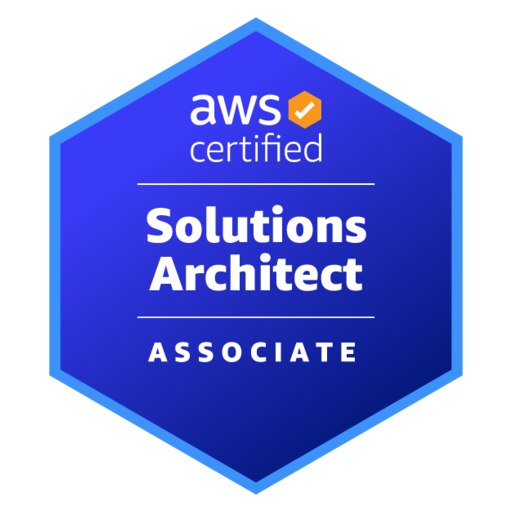
- AWS Solutions Architect Associate
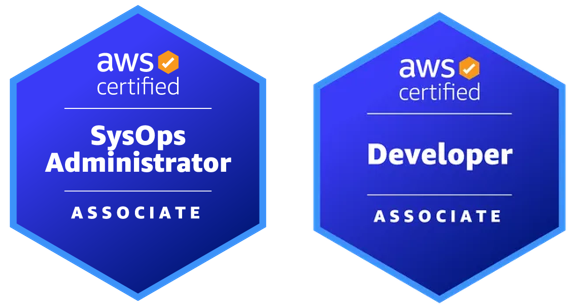
- AWS Developer Associate or AWS SysOps Administrator Associate
Choose AWS if:
- You are a beginner in cloud computing.
- You are looking for a certification that is highly sought after and recognized in your field.
- You desire a huge environment with plenty of career prospects and resources.
Getting Started with Microsoft Azure
If you work in or want to join an environment that largely relies on Microsoft technology, Microsoft Azure is an ideal cloud platform to get started. Azure, the world’s second-largest cloud service, is rapidly gaining momentum among corporations, government agencies, and organizations that already use Microsoft products like Windows Server, Active Directory, Office 365, and SQL Server. Azure’s extensive integration makes it an obvious choice for IT workers who are familiar with the Microsoft ecosystem or for enterprises that run hybrid cloud systems that combine on-premises and cloud resources.
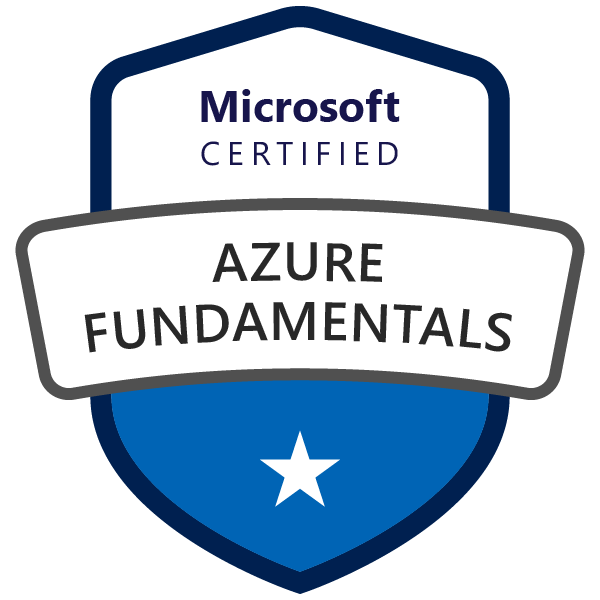
The Microsoft Certified: Azure Fundamentals (AZ-900) certification is an excellent starting point. It is designed for individuals with no prior technical expertise and covers core cloud ideas, vital Azure services, pricing structures, and security foundations.
After establishing your foundation, you can advance to the:

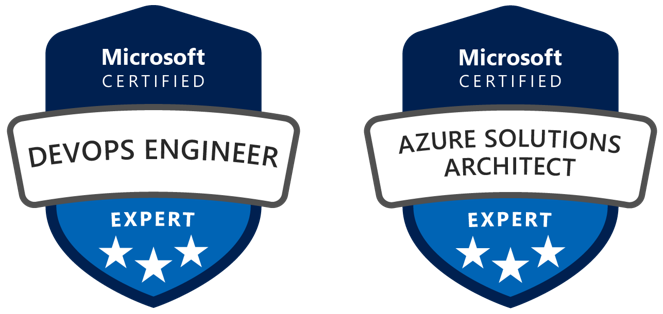
- Azure Solutions Architect or DevOps certifications
Azure Fundamentals is especially useful for IT professionals, managers, business stakeholders, and individuals looking for a high-level overview of cloud computing from a Microsoft perspective. For those in organizations transitioning from traditional IT to cloud, the certification closely aligns with existing skills, such as managing Windows servers, configuring networks, or working with Microsoft applications, making it easier to understand and apply cloud concepts in practical scenarios.
Choose Azure if:
- You work in or plan to join a Microsoft-centric environment.
- You’re looking for enterprise, government, or hybrid cloud solutions.
- You are already familiar with Microsoft tools such as Windows Server, Active Directory, and Office 365.
How VERSAtile Reads Supports Your Certification Journey
VERSAtile Reads helps you prepare for your certification journey by offering structured exam prep resources in terms of exam cram notes and practice questions for both AWS and Azure. Whether you’re pursuing the AWS Certified Cloud Practitioner or Azure Fundamentals, our resources help you build a solid foundation, master essential concepts, and gain the confidence needed to succeed in your exams. With VERSAtile Reads, you can follow a clear path to strengthen your cloud skills and advance your career in the rapidly growing cloud industry.
Conclusion
Choosing the correct cloud certification is ultimately determined by your history, preferred learning style, and long-term professional objectives. In an increasingly competitive work environment, obtaining any credible cloud credential is a wise investment that boosts your professional standing. Each platform provides distinct benefits, and the best option is one that coincides with the path you want your career to follow.
The advantage of beginning your cloud adventure now is that your path does not have to be linear. Many experts start with one cloud provider and then expand their expertise to include others, developing a versatile skill set that allows them to adapt in a quickly changing sector.
FAQs
Q1. Which cloud provider is better for beginners: AWS or Azure?
Both platforms are beginner-friendly, but AWS is often preferred due to its broader market share and extensive learning resources. Azure is an excellent choice for those already working in Microsoft-based environments.
Q2. Do you need technical experience to start with cloud certifications?
No. Entry-level certifications such as AWS Cloud Practitioner and Azure Fundamentals are designed for individuals with little to no prior IT or cloud experience.
Q3. Are cloud certifications worth it for non-technical roles?
Absolutely. Cloud certifications benefit project managers, business analysts, sales professionals, and team leaders by improving communication, decision-making, and understanding of cloud-driven projects.