Introduction
As cloud computing becomes more fundamental to modern business, Microsoft Azure has emerged as one of the most frequently used platforms, fostering innovation and digital transformation across industries. Employers looking for Azure specialists today value adaptability, practical implementation abilities, and the ability to align cloud technologies with strategic company goals. Understanding what employers expect from Azure candidates is critical, as it allows professionals to focus on the qualifications, hands-on experience, and problem-solving talents that are most important. By anticipating these expectations, which range from knowledge of Azure services to effective communication and real-world project execution, applicants may position themselves for significant roles, career advancement, and the capacity to produce quantitative value in cloud-based businesses.
Validating Skills with Azure Certifications
Azure certifications provide an industry-recognized standard for certifying technical abilities and increasing job mobility in today’s competitive cloud landscape. They reassure employers that candidates can handle real-world events from the start and are classified into four tiers based on experience and responsibilities.
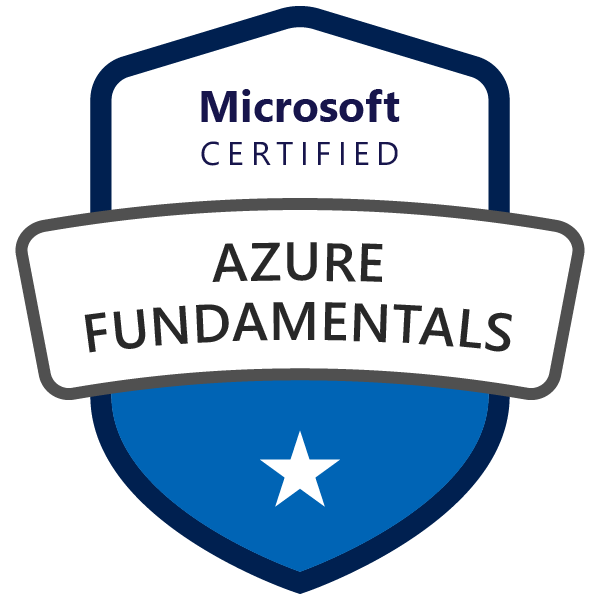
The Fundamentals level (AZ-900) is intended for beginners, and employers expect candidates to have a thorough understanding of cloud principles, Azure services, security fundamentals, and the ability to help IT teams with foundational knowledge.
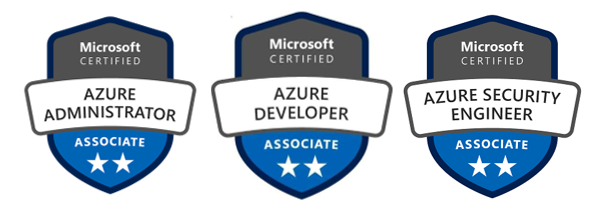
Employers want expertise in infrastructure management, cloud-native application development, and security control implementation at the Associate level (AZ-104, AZ-204, AZ-500).
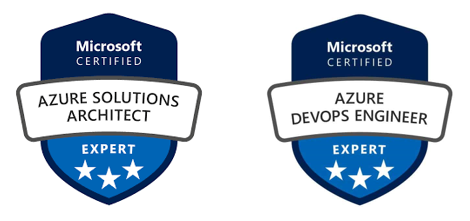
The Expert level (AZ-305, AZ-400) emphasizes advanced architecture and strategic solutions, requiring applicants to build sophisticated, secure systems and connect technical implementations with business objectives.
Building a High-Impact Azure Portfolio
In today’s competitive cloud market, certifications are frequently insufficient to gain advanced Azure roles. Employers are increasingly relying on evidence-based hiring, which requires candidates to present real “proof of work” that proves practical abilities. A strong Azure portfolio may include architectural diagrams of VNets and Subnets, well-documented GitHub repositories with Bicep or Terraform templates, and live demos of web apps deployed on Azure App Service or static sites on Azure Storage, demonstrating hands-on experience, problem-solving ability, and the ability to deliver real-world solutions in addition to a résumé.
Architecture and Design Thinking Employers Expect
Employers want Azure candidates who think in systems, not isolated services. Simply naming Azure services is not enough. Candidates are expected to understand why specific services are chosen and how they work together.
This includes:
- Designing for high availability and fault tolerance
- Understanding scalability patterns and performance trade-offs
- Integrating security and governance into architecture from the start
- Balancing cost, reliability, and operational complexity
Candidates who can explain architectural decisions, acknowledge alternatives, and justify trade-offs demonstrate senior-level thinking, even in junior roles.
Using Visuals and Analogies for Clear Cloud Communication
Employers want to hire people who can clearly explain complicated Azure ideas to both technical and non-technical audiences. Using real-world analogies, such as comparing cloud storage to a rented warehouse or load balancing to traffic management, makes abstract Azure ideas easier to understand. Visual representations, such as diagrams, further clarify architectural and process concepts. Professionals who describe solutions in this manner exhibit a deep technical understanding, great communication skills, and the ability to match cloud decisions with real-world business requirements.
Interview Preparation beyond Technical Knowledge
Employers screening Azure applicants look for more than just technical expertise. They evaluate problem-solving talents, hands-on implementation experience, effective communication skills, and professional judgment. Candidates may be asked how they resolved a failed deployment with Azure Monitor, created a scalable web app with App Service and Cosmos DB, or implemented secure access using Entra ID and RBAC. To stand out in interviews, research the company’s cloud usage and customize your responses to illustrate business benefit, cost optimization, and operational efficiency.
Avoiding Gaps in Skills and Knowledge
Employers can quickly identify gaps in a candidate’s knowledge of Azure foundations, hands-on experience, security and cost management, communication skills, and capacity to address real-world challenges. Common blunders include disregarding fundamental cloud ideas, bypassing monitoring and troubleshooting procedures, or failing to fully explain architectural decisions. To stand out, candidates should prioritize continuous learning, stay current on new Azure services, get practical experience through projects, and improve both technical and soft abilities like teamwork, clear communication, and professional judgment.
Behavioral Competence for Azure Success
Employers who examine Azure applicants look beyond technical abilities to measure behavioral competence and professional characteristics. Teamwork, adaptability, leadership, and accountability are all essential traits. Candidates who can work well with diverse teams, adapt to changing project needs, and take initiative in finding solutions are highly valued. Candidates who can handle tight deadlines, resolve issues effectively, and learn from setbacks while ensuring that technical solutions correspond with business objectives will stand out. Strong communication skills, dependability, and the ability to balance technical and strategic priorities add to a candidate’s professional reputation.
Your Guide to Excelling in Azure Interviews
Succeeding in an Azure interview takes more than just technical knowledge; it also requires practical judgment, cloud-oriented thinking, and the confidence to address real-world problems. Candidates must have experience building safe, cost-effective designs, efficiently implementing solutions, diagnosing issues, and clearly presenting complex ideas to both technical and non-technical stakeholders. By combining hands-on experience, scenario-based preparation, and a thorough understanding of Azure services, professionals can approach interviews with confidence, highlight problem-solving skills, and demonstrate to employers that they are ready to offer instant business value.
For focused preparation, VERSAtile Reads’ Complete Azure Interview Companion provides scenario-based Q&A, practical insights, and detailed explanations of Azure concepts. With the help of this guide, candidates can approach interviews with confidence, showcase hands-on problem-solving skills, and prove to employers they are ready to deliver tangible business value from day one.
FAQs
Q1. What should you include in a high-impact Azure portfolio?
A strong Azure portfolio should showcase architectural diagrams, well-documented GitHub repositories with Bicep or Terraform templates, and live demos of web apps on Azure App Service or Storage. These examples highlight hands-on experience, problem-solving abilities, and the capacity to implement real-world solutions.
Q2. What do employers look for beyond technical knowledge in Azure interviews?
Employers evaluate problem-solving abilities, practical implementation experience, communication skills, and professional judgment. Candidates are expected to resolve deployment issues, design scalable apps, and implement security measures while aligning solutions with business objectives.
Q3. How can you avoid common mistakes in Azure interviews?
Avoid gaps in fundamentals, hands-on experience, security, cost awareness, and scenario-based problem-solving. Stay updated on Azure services, practice projects, and develop soft skills such as teamwork, clear communication, and professional judgment to stand out in interviews.